

Garden Logic
On the balance between acting and accepting.
The Hard Prune shares practical tools for dystopian times most Fridays.
Things are not okay right now, important things. This is both a problem and our reality. On the one hand, there is the need to act to change things. On the other, there is the need to accept what is. It’s a big ask.
I thought about this while weeding a few weeks ago, in a mad fury of binge-gardening after too many weeks of paying attention to other things. Weeding is a task that’s never finished, especially when you don’t use pesticides in your garden. You have to both accept that weeds will grow and pull them out when they show up.
When plants grow that you don’t want in your garden, you remove them. When they grow back (they will), you need to remove them again. You can design your garden, whether starting from scratch or, as I’ve done, working with what’s already there. You can choose which plants to keep, which to remove, which to add. But a design only gets you so far. When you execute your plan, that’s when the gardening really begins.
Every garden is an experiment. Some plants take. Some don’t. Some thrive immediately, then die. Some are eaten. Some rot. Some grow tall when when you want them to spread. Some spread when you want them to grow tall. A garden is an experiment with multiple variables, many out of your control. Sun, wind, rain, critters, soil. There is always a decision to be made: how much do I just work with what I’ve got, and how much do I try to change it? Turn more sand and garden compost into the soil, or just accept that it’s heavy and wet? Remove the snails, or choose plants they don’t like? Water through drought, or just let the best-adapted plants survive?
You keep adjusting the plan, decide how much of the original vision to hold onto and how much to release in favour of what presents. I wanted California poppies so I sowed some seeds. They grow out of every crack in the asphalt, so why not in my front garden? A mere handful grew, but meanwhile I got masses of self-seeded oregano that the bees absolutely love. I wanted echinacea, splurged on 30 plug plants that never came back after the first summer. The same year, I popped in some asters I was given for free and they couldn’t be happier. So I’ve adjusted my vision. Meanwhile, the weeding never stops.
What is a weed? A weed is a plant in the wrong place. Dandelions are lovely and tasty in salad, but I don’t want them growing out of my front steps. Sticky willies are hilarious, but I don’t need them in my roses. In my garden, it’s my job to protect the plants I want and remove the plants I don’t.
What if our society is a garden? What if adapting to changing conditions, regularly revisiting the vision, consistently weeding, watering, feeding, deciding on just the right level of benign neglect (I think the sign of a healthy and appropriate garden is that it does quite well with benign neglect), tending, is just what we do?
What if we don’t expect things to go smoothly? If we anticipate problems, do what we can to prevent them, but are unsurprised when they show up? What if managing is not an imposition but a commitment, not a task but a responsibility?
Maybe we’ve expected too much of our governments, trusted them too much, abdicated too much responsibility to them. Maybe being a good citizen is about more — much, much more — than voting. Maybe being a good citizen is being a gardener, taking responsibility for our patch, choosing our plants, letting our plants choose us, making sure they have all the sun and soil and water they need, that they’re not outcompeted, that they’re protected.
Weeding is really hard work when you’ve let it go. You should see the way orange-flowered hawkweed takes over the cornus bed when I look the other way. It kills me. But when I get out there regularly, when I stay on top of it, when I don’t leave the garden to its own devices for too long, the weeding is almost a pleasant task — simple yet challenging, requiring a welcome degree of untaxing focus. I don’t mind weeding that way: it simply comes with the territory of gardening — work that is never done, like dishes.
I think when we get through these times — and we will, because the pendulum always swings back, and extremes like the one we’re in don’t last — we will be better for it. We will be more vigilant, more attentive, more aware of what is precious and what needs our protection and care. We will be better citizens, better stewards, better tenders of that which matters most. We will understand that a vision is but a starting point and a democracy is always a work in progress.
And, in the meantime, we accept and we act, we look away and we turn back towards. We do the work, and then we rest, and then we do the work some more. As Wendell Berry writes in one of his Sabbaths sonnets, “Harvest will fill the barn; for that / The hand must ache, the face must sweat. / And yet no leaf or grain is filled / By work of ours; the field is tilled / And left to grace. That we may reap, / Great work is done while we’re asleep.”
As for gardeners and for farmers, so for citizens. Work, rest, trust.
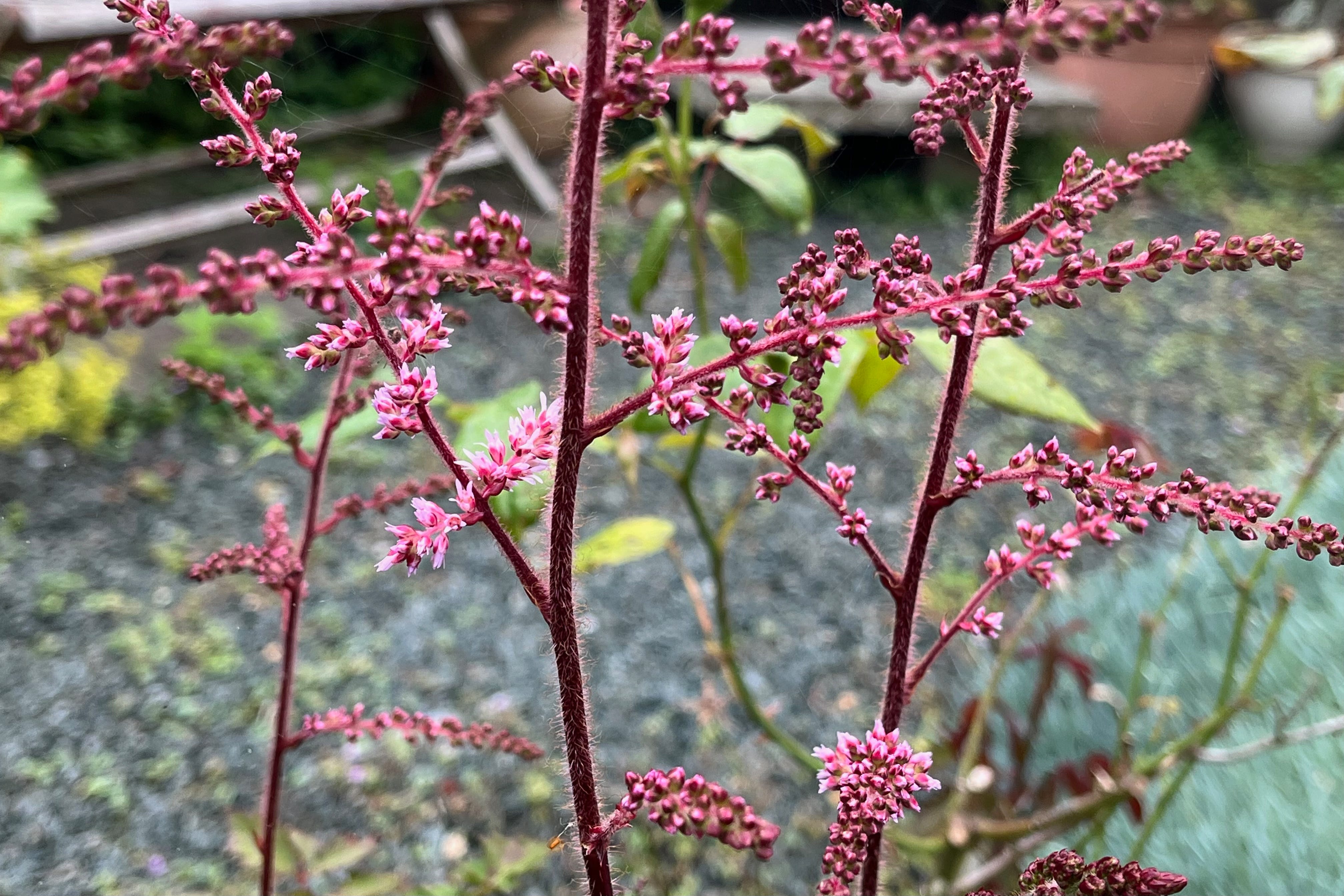
Postcard from my garden
Thank you for showing that what we do either our hands and hearts can bring things to life, support life, cherish life. that what we do in the ground beneath and around us can help us in what we do in all parts of life.
Friends, I'm heading offline for a week. If you comment and I don't respond, please know I'm looking forward to seeing what you wrote when I return.