Right Effort
Not too tight, not too loose
The Buddha asked the monk Sona, “Is it true that before you became a monk you were a musician?” Sona replied that it was so. The Buddha asked, “What happens if the string of your instrument is too loose?”
“When you pluck it, there will be no sound,” Sona replied.
“What happens if the string is too taut?”
“It will break.”
“The practice of the Way is the same,” the Buddha said. “Maintain your health. Be joyful. Do not force yourself to do things you cannot do.”
— Thich Nhat Hanh, The Heart of the Buddha’s Teaching
This stringed-instrument analogy is one of my all-time favourite Buddhist teachings. Thich Nhat Hanh includes it in his chapter about “right effort.” Don’t try too hard. Don’t not try at all. Make some effort. Don’t make too much effort. Do what you can. Don’t do what you can’t. Not too loose, not too tight.
Along with right view, right thinking, right mindfulness, right speech, right action, right concentration and right livelihood, right effort is one of the eight routes towards living a happier life. The Buddha called these together the noble eightfold path. I wish more people were aware that there are so many more avenues to ease than being mindful and meditating. Focusing, speaking kindly, acting well, doing good work, not trying too hard — all of these things matter just as much.
I think, in our culture of striving and burnout, right effort is terribly important. Right doesn’t mean objectively correct; it means sensible, reasonable and skilful. It means whatever is right for you. And since the 2025 shitstorm hit, right effort has become even more important.
Each day, each one of us makes decisions. How do I get through? What do I pay attention to? What deserves my effort? And, alongside those questions, this critical one: What is my capacity?
It’s easy to gaslight ourselves into thinking we are not trying hard enough when in fact we are overdoing it. It’s also easy to become so overwhelmed that we just don’t try at all. How to find the middle way?
Here are some strategies.
Choose your lane
This is a good one for dealing with the ongoing bad news onslaught. Of all the shit things happening in the world, which one do you want to try to do something about? If you’ve clearly determined your area of engagement, then you can focus on the developments related to that and let the rest go, trusting that others will pick them up. The repair of the world cannot possible be done by a single person. Choose a battle. Fight that one. Let others fight the rest.
Decide: sprint or marathon?
This thing that you want to do, project you want to finish, change you want to usher in, process you want to ease, whatever it is — is it a sprint, or is it a marathon? Is it something you need to blast through and get done? Or is it something that will tick along slowly, two steps forward one step back, one step forward two steps back, for weeks, months, years? Calibrate accordingly. The last thing you want is to take a sprint mentality to a marathon; you’ll hit the wall before the first mile. Likewise, if you treat a sprint like a marathon, you won’t get where you need to go.
Rest without guilt
Rest has been in the zeitgeist for a few years now. You don’t need me going on about how rest is valuable for its own sake (though, if you’d like me to, see my re-framing of ‘self-care’ here). What I want to emphasise here is without guilt. To offer an example from my last Sunday afternoon, if the people you live with think you need to be vacuuming the house and planning next week’s meals, but you think you need to be dozing on the couch with a book, trust yourself. Doze with the book. What may look (and even feel) like laziness is actually filling the tank. Effort requires energy. It has to come from somewhere.
Value action over outcome
We are facing things we individually don’t have the power to change. Lord, that’s a bitter pill. These are things at home and at work, in our bodies and our institutions, nations and planet. We can act alone, we can act with others, we can not act at all. Whatever we do or don’t do, there will be work remaining. We live in the shadows of great injustices and intransigent inequalities and, sometimes, plain rotten luck. You can eat kale for decades and still get cancer. You can jump through every hoop and still lose your job. Millions can take to the streets, and the streets can look no different the very next day.
But we feel different. Our solidarity matters. The way we look out for each other matters. The small things we can do are real things. And it feels good to connect, to help, to try. Making a bad thing a little bit better is an act of courage. Fly a flag of beauty in the face of ugly. Let the outcome be beside the point.
Celebrate victories!
And then when we do get the outcomes we’re hoping for, it’s like a wonderful bonus. We’ve had some good news in American politics this week, friends. Let’s savour it!
Worth watching
Zohran Mamdani’s election night speech is well worth your time. Take 23 minutes and remember what it’s like to feel good about the world.
Note from my bookshelf
The Book of Dust: The Rose Field by Philip Pullman. Pullman is such a good novelist, the kind that writes books you read for language and character and plot. His Book of Dust trilogy are children’s book for adults, which is a strange genre, but one I’ve enjoyed. I found reading this final volume a disorienting experience though; it picks up exactly where the previous book leaves off and assumes you remember every character and plot twist, which I don’t. Just a little bit of signposting along the way would have helped a lot. And I was hoping for more from the conclusion. So, overall: totally engaging but ultimately disappointing.
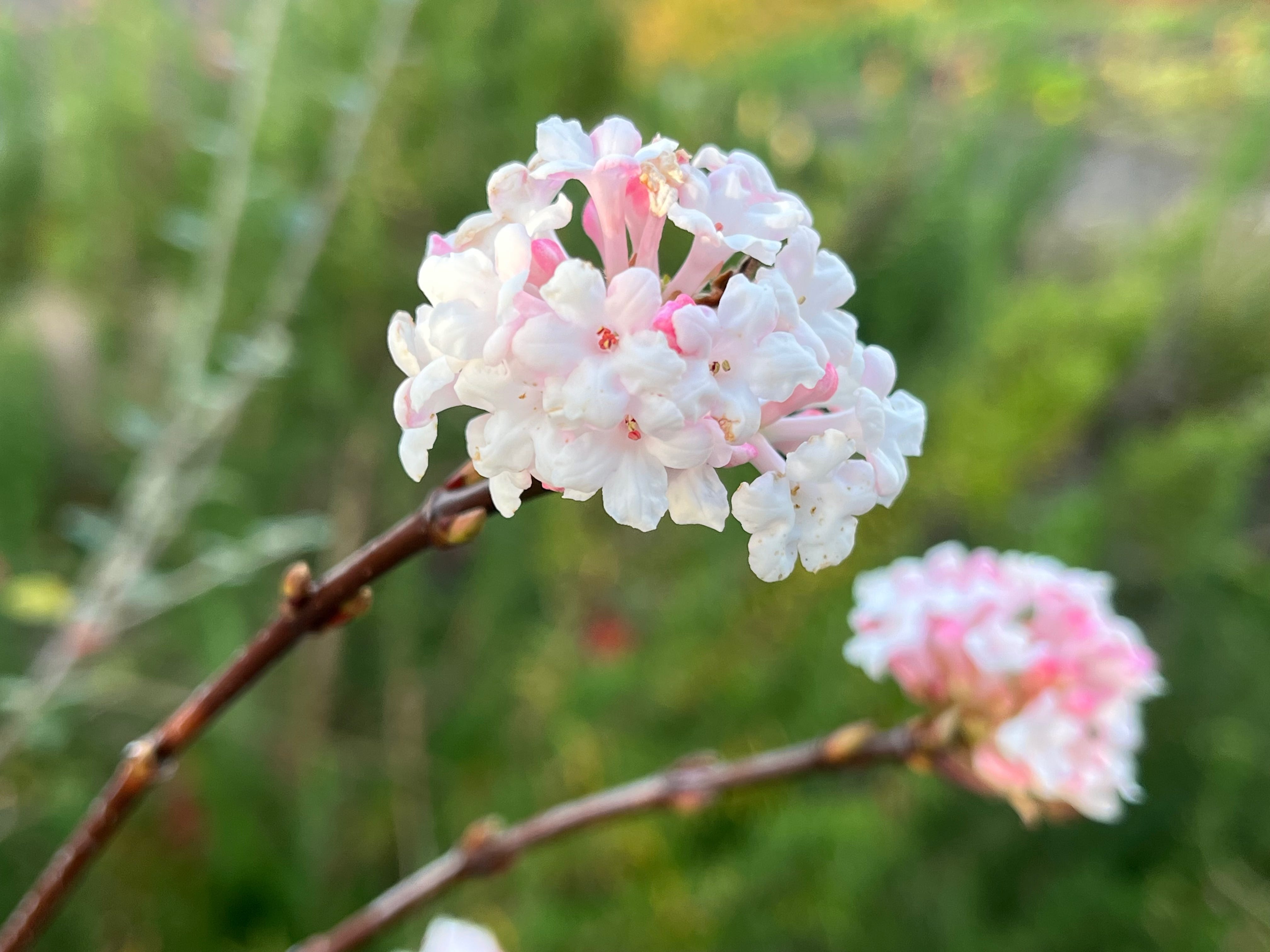
Postcard from my garden